Electrical Planning Guide for New Builds in Australia
Electrical planning is a key part of every property. In Australia, the AS/NZS 3000:2018 Wiring Rules serve as the national standard for all new builds. Electricians, builders, engineers, inspectors, certifiers, and contractors use this guide to ensure electrical systems are safe to use, installed properly, designed for intended use, and compliant with Australian regulations.
Before construction begins, builders collaborate closely with electricians to coordinate the property layout and floor plan to ensure all residential and commercial compliance requirements are met. However, because every homeowner’s lifestyle and needs are different, relying solely on a standard layout can sometimes lead to functionality issues once the property is occupied. For this reason, homeowners should also consider how the home will look and function day-to-day.
Below are some important electrical planning considerations to review before starting your project:
Develop a Floor Plan
Collaborate with your electrician, architect, interior designer, and project manager to create a detailed layout of your property. Include the room and shared area layout, and a sample blueprint of furniture / appliance placement to position socket and light switches correctly.
During this stage, many homeowners start selecting the materials for their new build. This includes the biggest to smallest visible finishes and fixtures, including:
- Floors (tiles, timber, carpets, etc.)
- Kitchens (cabinetry, tapware, etc.)
- Bathrooms (sink, vanity, lighting, fans, etc.)
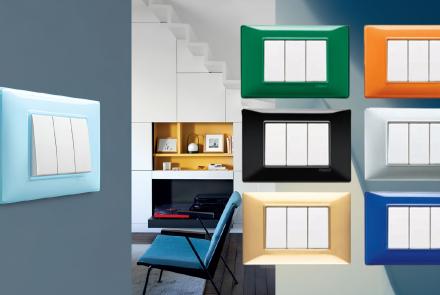
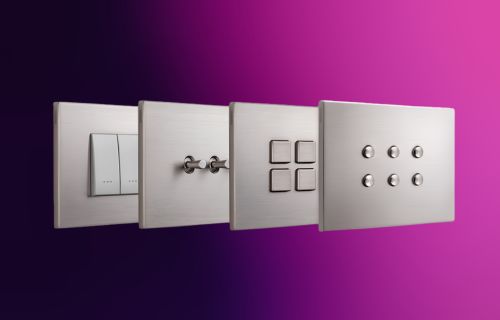
- Electrical fittings (power outlets, lighting switches, light fittings, etc.)
- Doors and windows finishes (glass, frames, hardware, etc.)
- Paint and external look (interior and exterior paints, feature wall, trim, skirting, and architrave colours)
This step is crucial for the following reasons:
- It prevents you from spending on expensive and difficult changes during the construction stage.
- Having a list of materials improves the functionality and the design consistency of your home or project.
- It reduces supply delays or design compromises since this list gives you time to source the materials you need.
- It helps maintain and control your budget due to substitutions and time constraints.
Define Your Requirements
List all appliances and potential technology requirements during the planning stage. In kitchens and outdoor areas, gas-powered appliances and water systems are common; however, it is worth considering installing additional power outlets to allow for future electrification upgrades.
Including this in the planning stage gives you flexibility and prevents costly modifications later as technology and household needs evolve.
Prepare a Checklist for Room Requirements
Each room in your house has different electrical requirements, and a checklist simplifies this for your builder and interior designer.
- Kitchen – allocate dedicated outlets for appliances like refrigerators, ovens, dishwashers, and anything that generates heat to prevent overloading circuits.

- Living Area – you will spend majority of your waking time in this space; spending time with your family and hosting friends and guests, hence it is advisable to place ample power sockets for entertainment equipment. It may be worthwhile to consider dimmer switches for mood lighting and ambiance. If you are unfamiliar with dimmer switches, our team can explain and help you with your requirements.
- Bedrooms – placing power outlets close to the bed makes it easier to charge devices and position a television/radio, etc. For added convenience, two-way light switches can also be installed.

- Garage – with more households transitioning to electric vehicles (EVs), it is worth planning by installing additional power outlets during the build. Including at least two outlets per wall can provide greater flexibility for future charging needs and electrical equipment use.
- Outdoor - use weatherproof power points in outdoor areas such as patios and consider installing additional power supply points to accommodate future additions like a spa or pool.
A standard electrical planning checklist helps ensure a home is safe and functional, but thoughtful planning can also improve how the home looks and feels long after handover.
Carefully reviewing power points and switch locations, as well as selecting finishes early, can create a more practical and visually cohesive home from the very beginning.
If you are ready to start planning for your new build or project, and need technical advice for lighting design, light switches and power points, contact our team at hello@designer-light-switches.com.au. Designer Light Switches offers professional advice, service and technical expertise to fully equip your lighting switches with the technology that enables remote, wireless, and automated features that are fully compliant with Australian standards.