Why Do Some Light Switches Yellow or Crack Over Time?
Most standard light switches and cover plates will eventually turn yellow and crack over time. While this may seem to be purely cosmetic, discolouration and cracking of brittle plastic can affect the durability and functionality of your light switch.
For something you use multiple times a day, its appearance and feel can also influence how you experience your space.
Why Do Light Switches Turn Yellow?
Yellowing is often caused by the type and quality of plastic used in manufacturing off-the-shelf light switches. Lower-cost plastics can be more susceptible to deterioration when exposed to UV, heat, humidity, and other external factors. Over time, the discolouration becomes noticeable, especially against white walls.
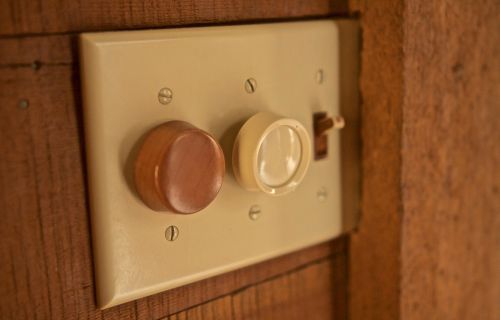
What Causes Light Switches to Crack?
Repeated exposure to heat, temperature changes, and everyday use can cause lower-grade plastics to become brittle. A light switch may eventually develop small cracks around the plate, mounting points, or other areas that experience mechanical stress. Poor-quality materials can also be less resistant to impact and general wear, leading to cracks over the years.
Does a More Expensive Light Switch Make a Difference?
The price of light switches does not always equate to quality, but it may be a good indicator. Light switches that place greater emphasis on material selection are typically far superior in quality and durability compared to their builder-grade counterparts. It does not hurt that they look good, too.
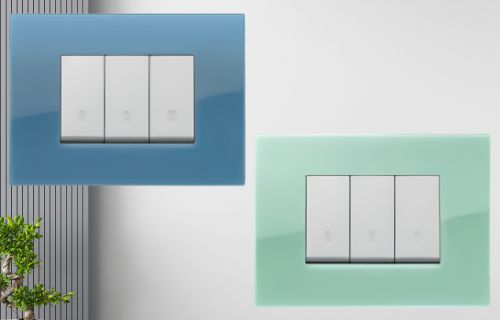
For residential and commercial interiors where switches are used frequently and are expected to maintain their appearance for years, these factors can make a visible difference.
Choosing Light Switches for Long-Term Performance
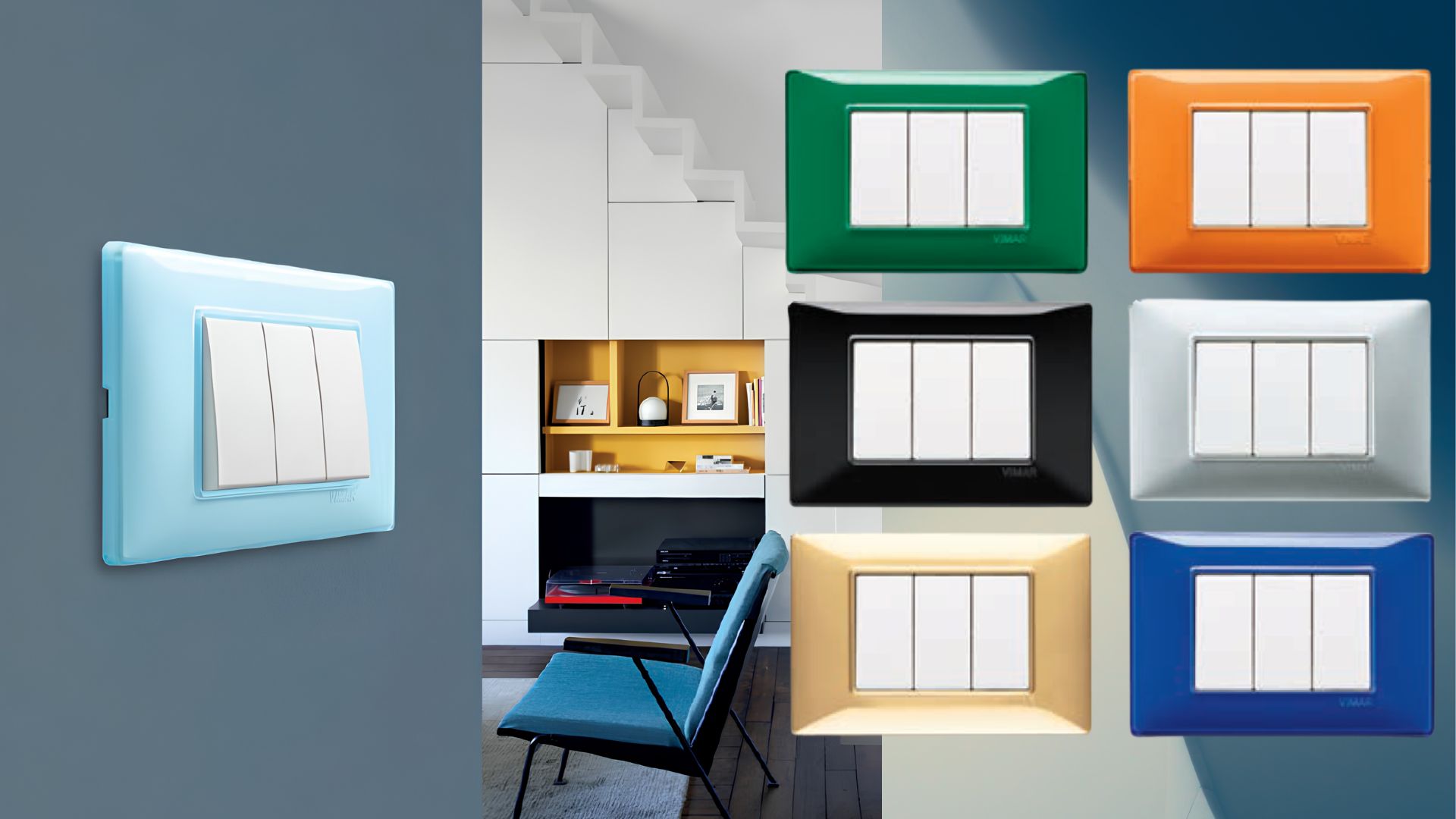
When comparing light switches, look beyond the initial purchase price. Well-made light switches, like the Vimar Plana and Arké Reflex Plus ranges, can cost more outright; however, they can do more than simply control a light.
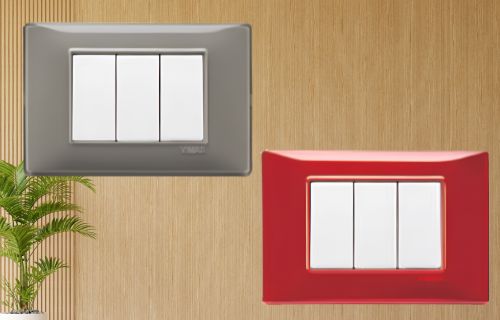
Standard builder-grade Polycarbonate (PC) offers a massive cost advantage, providing a shatter-proof, code-compliant switch at the lowest possible price point. However, it remains prone to yellowing, micro-scratches, and chemical wear over time.
In contrast, Plana and Arké Reflex Plus premium technopolymer series may require a higher upfront investment but deliver superior scratch and chemical resistance, fingerprint-free finishes, and a flexible modular architecture. While PC is ideal for basic utility on a budget, the technopolymer trades cost savings for long-term aesthetic durability and customisation.
We Can Help You with Your Project!
If you are currently looking for modern light switches to support your interior design vision, contact us at hello@designer-light-switches.com.au so we can help you find the right designer light switches. We can also integrate dimming and home automation features to suit your lifestyle.