Lighting Beyond Illumination: A Conversation with Adele Locke, Founder of MINT Lighting Design
Designer Light Switches (DLS) Australia is delighted to have the opportunity to hear Adele Locke’s insights into the vital role lighting plays in architecture and interior design.
Property ownership has long been a dream for many Australians, and for those bringing that dream to life, Adele shares practical advice, drawn from years of working with a diverse range of clients, on how thoughtful lighting can enhance the beauty, functionality and atmosphere of our living and working spaces.
Key Highlights:
- Lighting plays a key role in creating the atmosphere, comfort, and overall experience of a space.
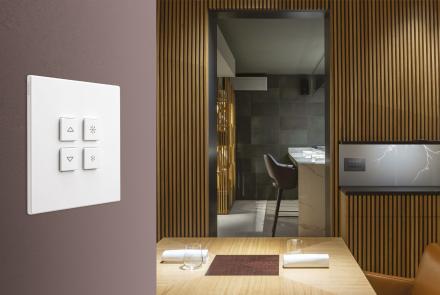
- Designer light switches enhance and complement premium interiors and reinforce the overall design.
- Plan lighting from the start – integrating lighting, controls and concealed solutions early helps achieve a practical, harmonious, and refined result.

You see light as a creative medium. In your experience, what role does lighting play in shaping the way people experience and feel within a home or a space?
Light isn't decoration. It's the thing that decides whether a room feels like somewhere you want to be, or somewhere you want to leave.
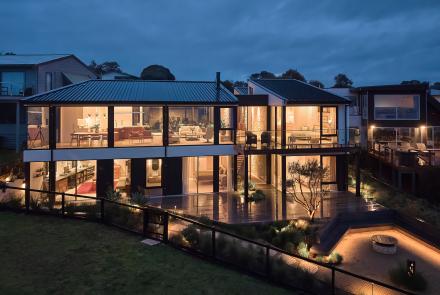
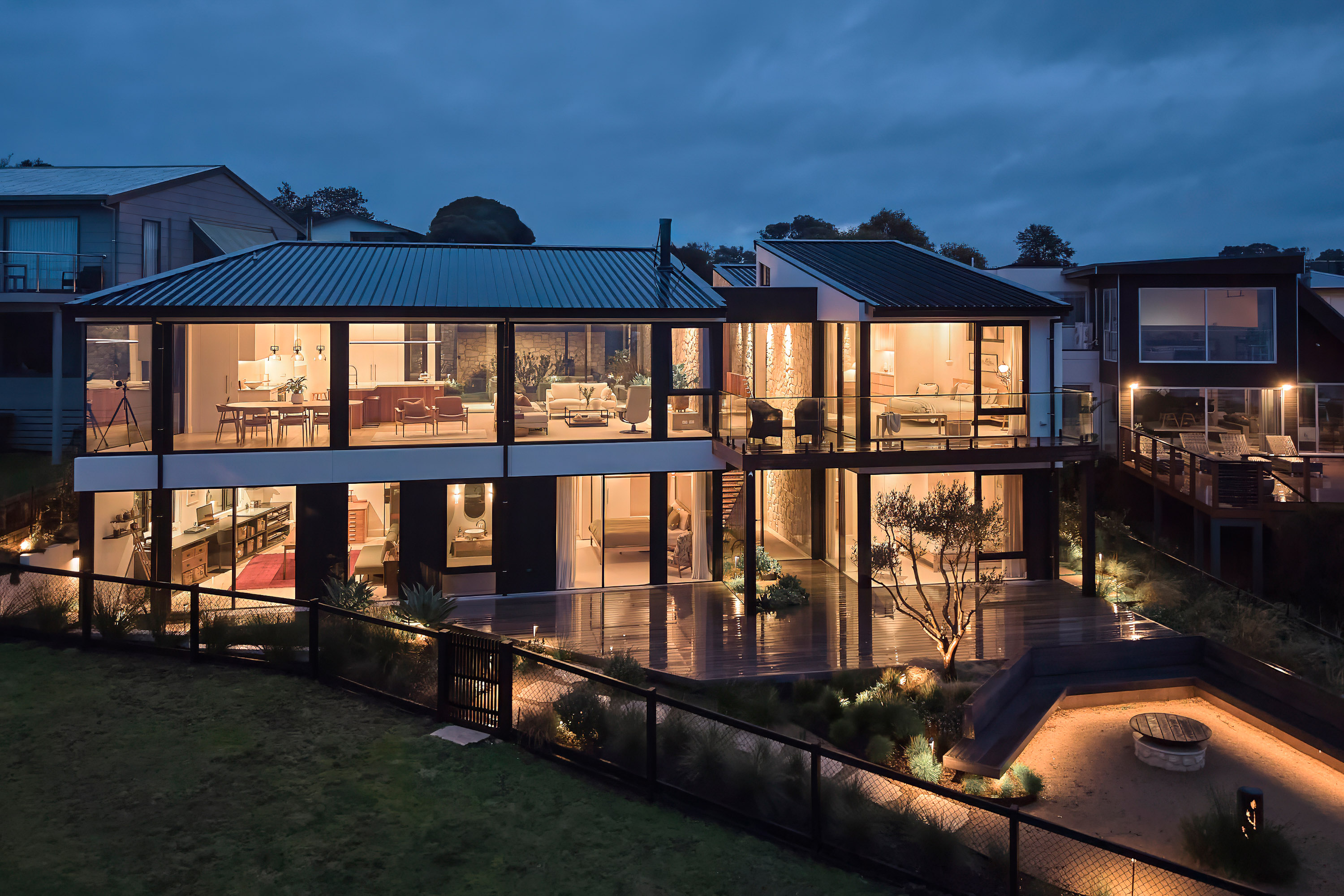
I can take the exact same architecture, the exact same furniture, and by changing nothing but the light, make it feel calm and inviting, or make it feel like an interrogation room. That's not an exaggeration, it's physics and psychology working together. Comfort or stress, welcome or unease, it's a choice we make with light, whether we realise we're making it or not.
“You know the dinner party where everyone’s ready to leave the moment the ‘good behaviour’ downlights come on – that is the light doing its job.”
Most people have felt this without ever naming it (you know the dinner party where everyone's ready to leave the moment the "good behaviour" downlights come on). That's light doing its job on your nervous system before your brain has even caught up.
Many people invest heavily in architecture, interiors, and finishes, yet lighting is sometimes treated as an afterthought. Why do you believe lighting deserves to be planned from the very beginning of a project?
Because the best light in a room is usually the light you can't see.
If you want a fitting concealed in a cove, hidden under a shelf, or tucked behind cabinetry, that has to be designed into the architecture itself, not bolted on once the walls are up.
“If lighting comes in at the end, you're stuck retrofitting your way around decisions that have already been locked in.”
I've had clients spend a small fortune on stone or imported tiles and then almost lose them entirely because nobody planned how they'd be lit. We turned an $80 light into what made a $10,000 wall actually look like a $10,000 wall. If lighting comes in at the end, you're stuck retrofitting your way around decisions that have already been locked in, and that's how you end up with a pancake downlight punched through a beautiful ceiling because there was nowhere else left to put it.
How important are lighting controls, switches and dimming systems in achieving the atmosphere and functionality you expect? How can they help in bringing your vision to life?
Enormously, but maybe not in the way people expect. A home has to do everything, morning brightness for getting the kids out the door, midday functional light for cooking, and then that slow wind down to warm, low, "moody o'clock" in the evening. One fixed setting can't do all of that. Good controls let a single space earn its keep across the whole day.
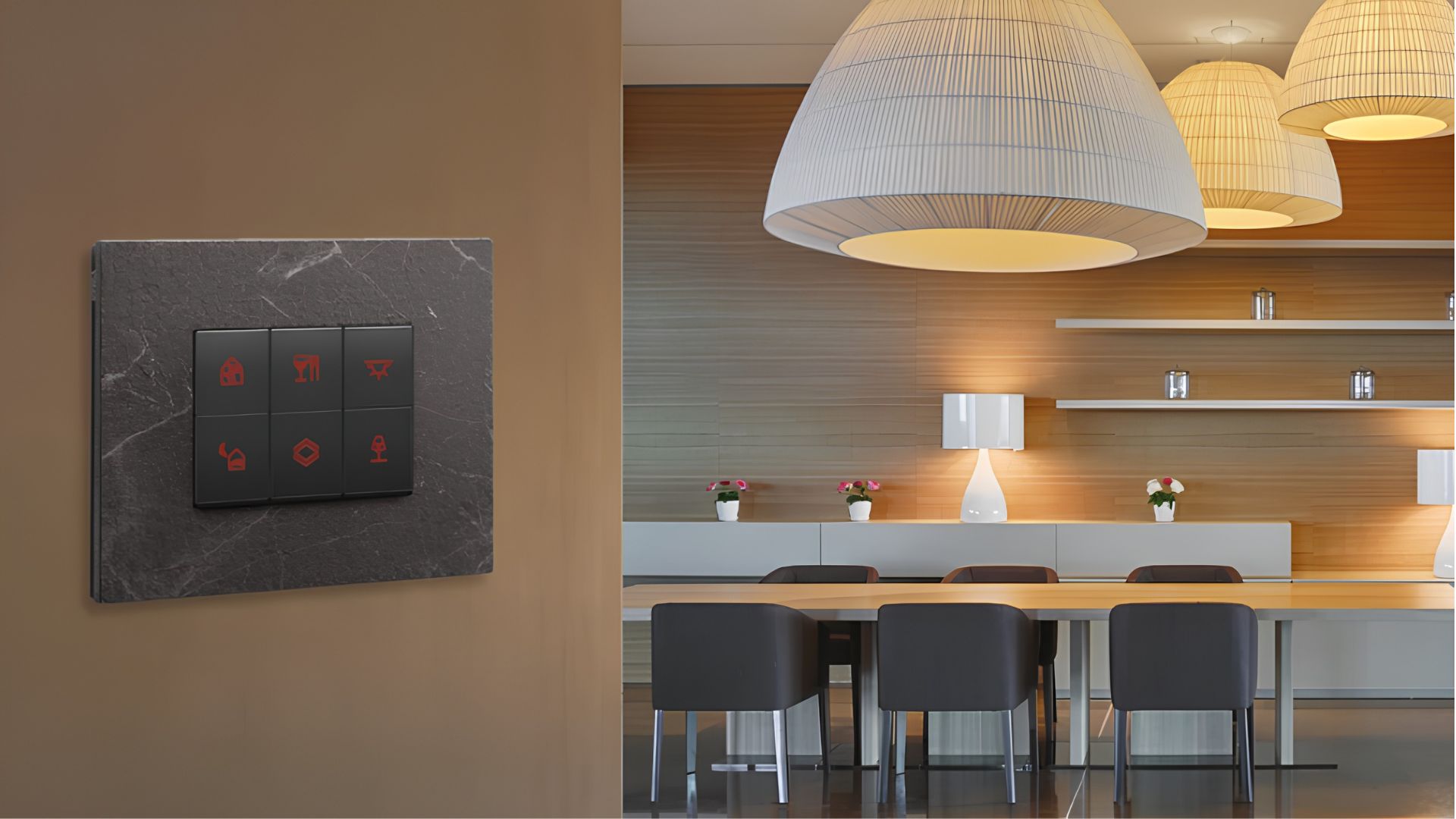
Where I'll happily disagree with the industry is on complexity. Everyone assumes you need a full smart home automation system to achieve this, and for most people, that's more than they want to live with day to day. I'd rather design layers of light with clever, well-placed switching and simple dimming than hand someone a tablet interface they'll dread using. If the system is too clever for the person living with it, it's not clever at all.
We've seen light switches evolve from being purely functional to becoming an integral part of interior design. How much do the materials, finishes and tactile experience of switches contribute to the overall look and feel of a luxury home or commercial space?
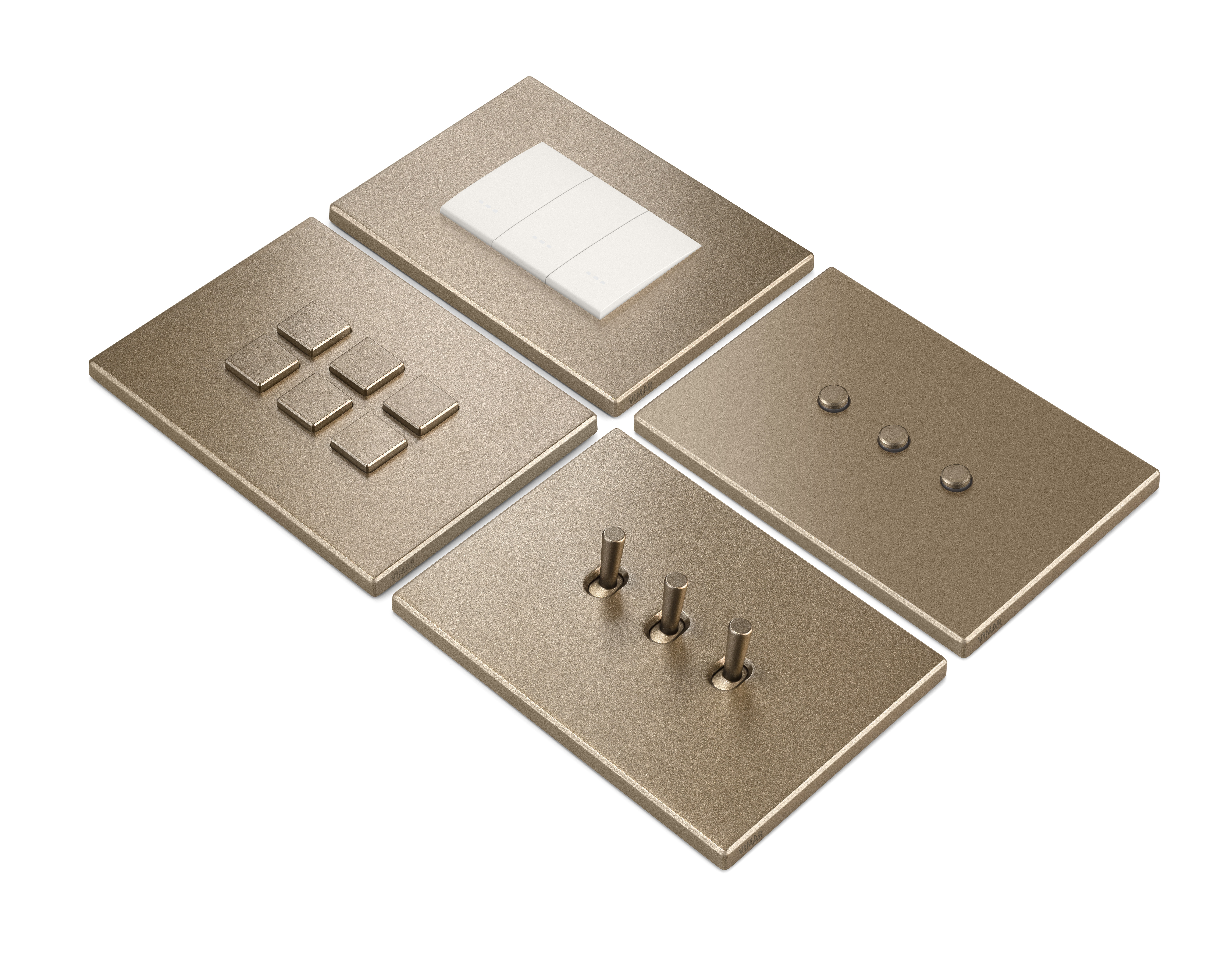
More than people give them credit for. Think about how many finishes in a home you actually touch every single day, multiple times, without looking. Your light switch is one of the few. The click, the weight, the way it sits under your thumb, all of that registers, even subconsciously, and it either reinforces the quality of everything else in the room or quietly undercuts it.
If you've spent real money on stone benchtops and considered joinery, a flimsy, plasticky switch plate is the equivalent of wearing a beautiful suit with the wrong shoes.
I run masterclasses where the switch on the wall changes every single time, because there's always a new finish, a new mechanism, a new way it feels in the hand worth knowing about. If you've spent real money on stone benchtops and considered joinery, a flimsy, plasticky switch plate is the equivalent of wearing a beautiful suit with the wrong shoes.
When you're designing a lighting scheme, how do you balance aesthetics with practicality? Are there any common mistakes homeowners or designers make that can compromise the final result?
The hardest thing to do in lighting design is "just enough." Not too little, not too much, calibrated to how the room is actually used and who is using it (a scheme that suits a 30-year-old with great eyesight is not the scheme that suits their parents visiting for Christmas). Aesthetics and practicality are not opposed, they only feel that way when a design has been done badly.
The mistakes I see constantly:
- A grid of downlights thrown across a ceiling "just in case," which almost always produces flat, gloomy pools of light with dead, awkward zones no one wants to sit in.
- Mismatched colour temperatures – a cool white LED under a warm scheme because someone matched it to a splashback colour rather than to the rest of the room's light.
- And, forgetting that eyesight changes. Older eyes need more even light and fewer harsh shadows, especially in places like cupboards and stairs.
None of these are expensive mistakes to avoid. They are planning mistakes.
As technology continues to evolve, what innovations in lighting and control systems do you find most exciting, and how are they changing the way we live and work?
I will be the contrarian here. Tuneable white, where a fitting shifts colour temperature through the day, gets a lot of attention, and yes, it is clever technology. But in a home, it is often more complexity than anyone wants to manage. You can achieve the same sense of energy or calm just by adjusting intensity, without needing to introduce a whole new variable for someone to fiddle with.
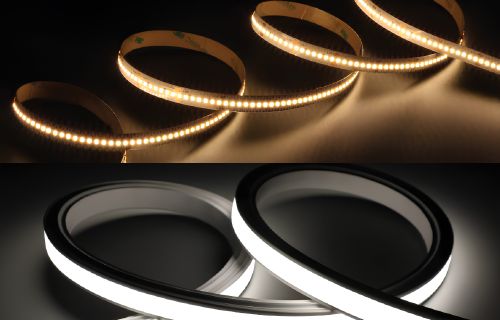
What excites me is what's happened with concealed and linear LED. It has given us huge scope to build light directly into architecture, cabinetry, joinery, shelving, so it does real functional work while staying completely invisible. That's not the flashiest spec sheet entry, but it is the quiet stuff doing the real work while nobody's looking.
Check out LED lighting options here, brought to you by ADM Tech, the same team behind DLS Australia.
Looking ahead, what trends are you seeing in residential lighting design over the next few years? Are clients' expectations changing?
Clients are getting savvier, and I love it.
People are starting to understand that not all light globes are created equal, that the data on the box matters, and they are asking better questions earlier in the process instead of leaving it to whoever's doing the electrical fit-off.
I'm also seeing lighting brought into the conversation with architects and interior designers much earlier than it used to be, which is exactly where it belongs. The trend I'd love to see accelerate is less tolerance for the "ceiling full of pancake downlights" default. People are starting to notice bad light in spaces they have lived in for years once they've been shown what good light looks like.
Is there a recent project that you're particularly proud of? What made it special, and how did lighting help transform the space?
There is a project I refer to as the “South Project” that still makes me smile.
The client loved colour, unapologetically, more colour within four walls than you'll see almost anywhere. It would have been easy to let the lighting fight that, but instead we used it to support the joy of the space, decorative pendants doing double duty as both the fun element and enough functional light to actually cook by (there was a small, ongoing negotiation in that house about whether anyone was ever going to cook, versus just ordering in, but we designed for the possibility regardless).
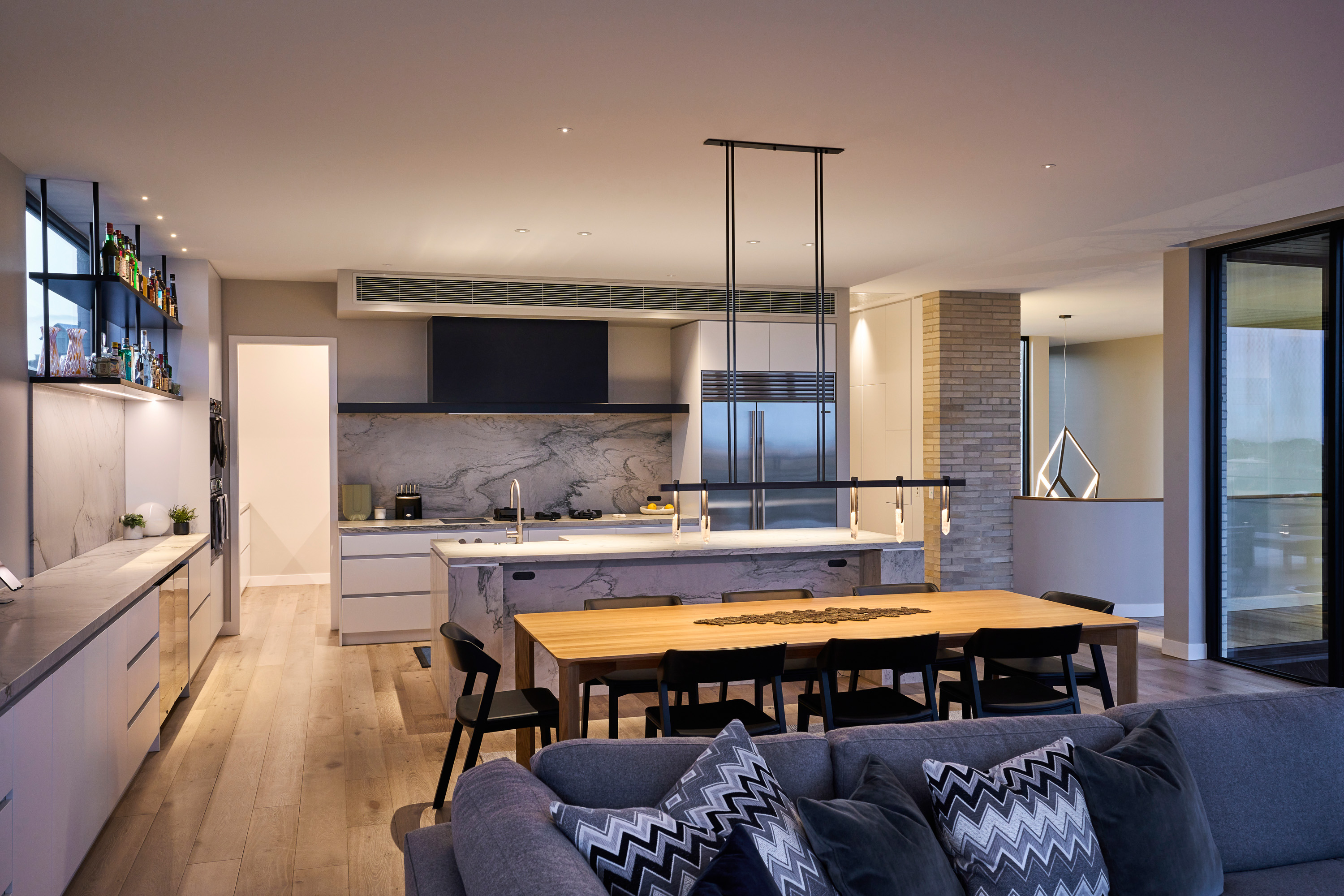
The part I am proudest of, though, is smaller and easier to miss: a butler's pantry with imported Italian tiles that took months to arrive because of COVID, and that nearly got left completely unlit because "it's just a pantry." Those tiles cost a fortune. Without light on them, you'd never actually see what you paid for. One $80 fitting later, and that wall does its job every time the door opens. It is a room nobody's ever going to put in a portfolio shot, and it's still my favourite bit of that whole job.
If you could give homeowners one piece of advice before they begin designing or renovating lighting in their homes and offices/workspace, what would it be?
Start with what you want to see, not with where the downlights should go. Every layout decision gets easier once you know the answer to that question. Do you want to see the artwork on that wall? The texture in that stone benchtop? Your kids' faces around the dinner table without an interrogation-style spotlight over their heads? Design toward that, and the rest of the scheme starts looking after itself.
And a practical note that costs nothing: if you can't decide on the perfect pendant or fitting right now, don't let that hold up the rest of the project. There's nothing wrong with putting in a simple, sensible placeholder and swapping it out later once you've found the one you actually love. Waiting for perfection shouldn't mean living with a bare bulb for two years, and it shouldn't mean rushing a decision you'll regret either.
Talk to Us About Your Project
For lighting consultation and design, contact the team at MINT Lighting Design:
- Phone: 03 9555 2275
- Website: www.mintlighting.com.au
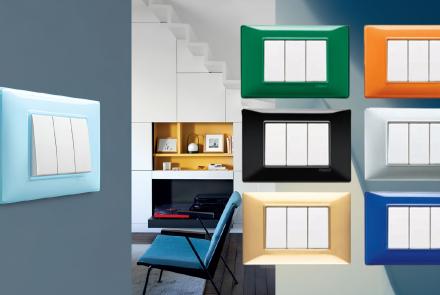
For help finding the right Vimar designer light switches that come with full mechanism, contact the DLS team at hello@designer-light-switches.com.au.
We are excited to be involved!